



How should I deal with rust on an outdoor high-voltage vacuum circuit breaker?
2025-12-04 14:16:59
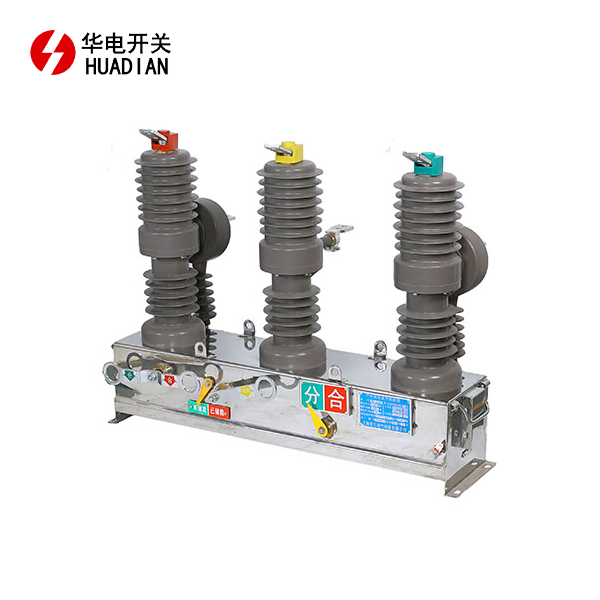
Because outdoor vacuum circuit breakers are installed outdoors, they are more prone to rust. As critical power distribution equipment, the rusting of metal components (such as the operating mechanism housing, transmission links, fasteners, and conductor connection surfaces) of high-voltage vacuum circuit breakers is a serious issue that requires careful attention. Improper handling can affect the reliability of mechanical operation, conductivity, and insulation strength, and may even lead to malfunctions.
Core principle: Safety first, prevention foremost. Before handling, ensure the equipment is completely de-energized, tested for voltage, grounded, and that proper safety isolation measures are in place. Non-professionals are strictly prohibited from operating this equipment.
The following are detailed handling steps and suggestions:
I. Risk Assessment and Preparation
Power Outage and Safety Measures: Strictly implement safety measures such as power outage, voltage testing, grounding, and signage. Ensure complete isolation on both sides of the circuit breaker.
Assess Rust Degree:
Slight Surface Rust: Only a small amount of yellow or red rust on the surface, without forming a rust scale, and does not affect mechanical function or electrical connections.
Moderate Rust: The rust layer is thicker and may begin to affect the flexibility of transmission components or the flatness of conductor contact surfaces.
Severe Rust: Corrosion pits, rust penetration, or other damage to metal parts, such as mechanism jamming or spring failure. Conductor connection surfaces are severely oxidized.
Tools and Materials Needed:
Personal Protective Equipment: Insulating gloves, goggles, work clothes.
Tools: Wire brush (copper or stainless steel, to avoid leaving iron filings), sandpaper (different grits), scraper, brush, lint-free clean cloth, precision electrical cleaner (such as CRC).
Rust Remover: Special metal rust remover (neutral or weakly acidic, suitable for electrical equipment).
Protective Agents:
Conductive Contact Surfaces: Electrical compound grease (conductive paste).
Non-conductive Metal Surfaces: Rust inhibitor and lubricant (such as WD-40, but be aware of its long-term effects on some plastics and rubber parts), special electrical equipment rust inhibitor paint or hard rust inhibitor wax.
Replacement Parts: For springs, pins, fasteners, etc., that are severely corroded and deformed or have degraded performance, spare parts should be prepared for replacement.
II. Regional Treatment Plan
A. Non-conductive mechanical components (e.g., housings, brackets, connecting rods, pins)
Cleaning: First, use a dry brush and cloth to remove surface dust and loose rust.
Rust Removal:
For light rust, gently polish with fine sandpaper (e.g., 400 grit or higher) or a scouring pad until the metal is exposed.
For moderate rust, spray with a specialized rust remover, wait for the reaction, then scrub with a brush and finally wipe dry with a cloth.
Caution: Avoid using coarse wire brushes or angle grinders for vigorous polishing, as this may damage the original plating or alter tolerances.
Cleaning: Spray with a precision electrical cleaner to remove rust remover residue and oil, then thoroughly dry with a dry cloth.
Protection:
For rotating and sliding parts (shafts, pins, connecting rod joints), spray or apply a small amount of rust-preventive lubricant to ensure smooth operation.
For large static metal surfaces (inner walls of the enclosure, supports), apply a thin layer of electrical equipment-specific anti-rust paint or hard anti-rust wax. Do not use ordinary grease, as it easily attracts dust.
Inspection: Manually operate the mechanism (without energizing) to check that all parts move smoothly without jamming.
B. Conductive Connection Components (e.g., main circuit terminal block, stationary contact connection surface, and swivel contact arm surface)
Extra caution is required here, as it directly affects current carrying capacity and temperature rise.
Cleaning: Initial cleaning with a dry cloth.
Rust/Oxidation Removal:
Use fine sandpaper (600 grit or higher recommended) or special electrical contact cleaning sandpaper, gently sanding in one direction until the silver-white or metallic original color is exposed. Do not use a wire brush!
For silver-plated surfaces, retain the plating as much as possible. If the plating is worn, thorough subsequent protection is necessary.
Ensure the contact surface is flat, smooth, and free of pits or bumps.
Deep Cleaning: Use anhydrous ethanol (alcohol) or a precision electrical cleaner and a lint-free white cloth to repeatedly wipe the contact surface until no black residue or stains remain on the cloth. This is crucial for ensuring conductivity.
Coating Protection: Apply a thin, even layer of electrical composite grease.
Function: Prevents oxidation, reduces contact resistance, inhibits fretting wear, and provides waterproofing and moisture protection. Note: Do not apply a thick layer, as this may affect heat dissipation and contact pressure.
C. Insulating Components (e.g., insulating rods, bushings, supporting insulators)
Rust typically occurs at the metal flange connections at both ends and can be treated using Class A methods.
Absolutely ensure that rust removers, lubricants, rust-preventive paints, etc., do not come into contact with the ceramic or epoxy resin insulating surfaces to prevent creepage and flashover.
If the insulator body is dirty, wipe it clean with a dry cloth or a cloth dampened with a small amount of water and allow it to dry thoroughly.
III. Key Post-Treatment Steps
Comprehensive Inspection: Inspect all treated components to ensure no tools, debris, rags, or other foreign objects remain.
Functional Testing:
Without power, perform manual and electric opening and closing operations several times to ensure normal mechanical characteristics.
Check that key mechanical parameters such as stroke, overtravel, and synchronization are within the manufacturer's specified range (if available).
Recordation and Monitoring: Record the location of rust, treatment method, and date. During subsequent inspections, focus on monitoring treated areas, especially the temperature of conductive connections (using an infrared thermometer).
Consider Environmental Factors: Analyze the cause of rust (humidity, salt spray, corrosive gases from chemical plants, etc.). If necessary, install rain covers, heating and dehumidification devices, or increase the frequency of inspections.
IV. When is professional repair or replacement required?
Severe corrosion of core transmission components (such as the main shaft and the core of the opening and closing coils) affects strength.
Springs become unreliable due to corrosion.
The bellows or moving end rod of the vacuum interrupter is severely corroded (this component is usually made of stainless steel, with a low risk of corrosion, but once corroded, it is extremely dangerous).
Insulation components develop cracks due to metal expansion from rust.
When unsure, always contact the equipment manufacturer or a professional repair team for assistance.
Summary of the handling process:
Safe power outage → Rust assessment → Area-by-area treatment (mechanical components: rust removal - cleaning - lubrication/protection; conductive components: fine grinding - deep cleaning - application of conductive paste) → Site cleanup → Functional testing → Enhanced prevention.
Regular maintenance is fundamental. It is recommended to develop a strict inspection and preventative maintenance plan based on the equipment's operating environment, addressing rust at its initial stage to ensure the long-term reliable operation of the high-voltage vacuum circuit breaker.
Shaanxi Huadian's high-voltage vacuum circuit breakers feature a fully sealed, fully insulated structure. The enclosure undergoes special anti-corrosion treatment, making them resistant to wind, sand, salt spray, humidity, and extreme temperature differences. They are the reliable guardians of your power system's safe, stable, and uninterrupted operation. Inquiries are welcome.
Email:pannie@hdswitchgear.com.
Whatsapp/Wechat:+8618789455087
YOU MAY LIKE