



How to address discharge problems in the cable compartment of high-voltage switchgear?
2025-12-26 15:46:33
High-voltage switchgear can experience a variety of problems or malfunctions during operation. We must rigorously analyze these problems, make informed judgments, and address them promptly based on the results of the analysis.Let me share a case study with you – the handling of a discharge problem in the cable compartment of a high-voltage switchgear.
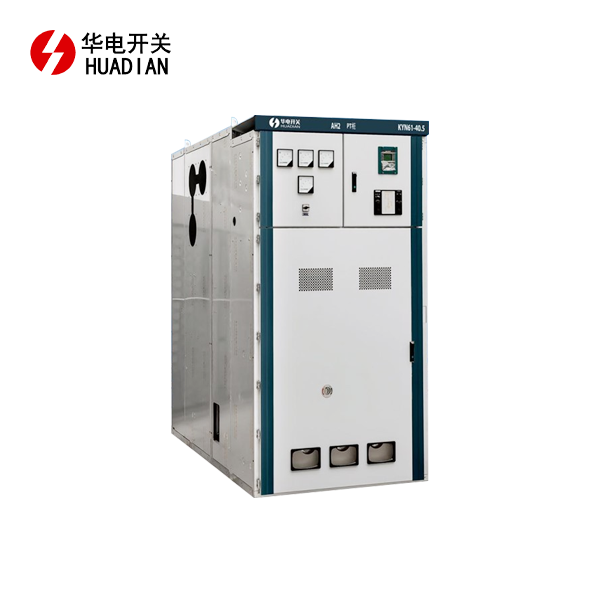
1. On-site situation
During summer inspections of the 35kV substation's KYN61-40.5 type switchgear, intermittent "buzzing" discharge sounds were consistently heard in the switchgear's cable compartment. The sound was even more pronounced on rainy or humid days. During thunderstorms, the system would experience momentary power outages, severely disrupting production and daily life.
2. Inspection and Analysis
During the scheduled maintenance shutdown, a thorough inspection was conducted on the switchgear and the areas above it.
(1) The average indoor temperature in the substation's first-floor distribution room was 25–27℃, with a relative humidity of 75%–85%. The relative humidity inside the cable trench was above 85%, significantly higher than the average indoor humidity.
(2) There were no obvious discharge traces at the feeder line terminals, and the insulation of the feeder cables was normal.
(3) After disconnecting the lightning arrester wiring, the discharge sound persisted, indicating that the discharge location was not at the lightning arrester.
(4) After the power was switched off, each circuit breaker trolley was pulled out one by one. The "hissing" sound decreased after pulling out the circuit breaker trolley for circuit I, and disappeared after pulling out the circuit breaker trolley for circuit II. Dielectric strength tests were performed on each 35 kV switchgear circuit breaker: the "hissing" sound appeared when the voltage reached 30 kV; at 45 kV, significant discharge occurred between the circuit breaker trolley column and the rear panel. After adding a silicone rubber insulation plate between the circuit breaker trolley column and the rear panel, and restarting the circuit breaker, the "hissing" sound disappeared. Therefore, it was determined that the discharge location was at the rear panel of the circuit breaker column.
3 Measures
(1) The drainage ditches around the substation will be cleared, the cable trenches will be treated for moisture protection, and a high-power industrial dehumidifying air conditioner will be installed on the first floor of the substation. The indoor temperature of the distribution room will be controlled at 23±2℃ in summer and 20±2℃ in winter. The relative humidity in the distribution room will be strictly controlled between 40% and 50%. An online temperature and humidity monitoring device will be installed in the distribution room. If abnormal temperature or humidity is detected, adjustments will be made promptly to ensure the safe and stable operation of the switchgear and relay protection devices.
(2) Silicone rubber insulation boards will be added between the circuit breaker trolley columns and between the columns and the rear panel.
(3) A partial discharge tester and an infrared thermal imager will be provided in the distribution room, and the frequency of summer inspections will be increased.
(4) To prevent flashover accidents, the bushings of equipment such as current transformers, voltage transformers, high-voltage circuit breakers, surge arresters, live display devices, and disconnect switches, as well as supporting insulators, will be regularly cleaned and tightened. Anti-fouling coating will be applied to the outside of insulators in heavily polluted areas.
(5) The silicone rubber creepage distance skirt will be approximately 100 mm larger than the outer insulation umbrella of the electrical equipment. Silicone rubber will be added to the surface of the ceramic parts of the equipment to prevent flashover.
The anti-flashover work is summarized as "creepage, cleaning, coating, and adding": Creepage: adjusting the equipment leakage distance ratio, using anti-fouling insulators or composite insulators; Cleaning: cleaning the surface of the equipment; Coating: applying RTV coating (applying RTV coating can prevent water film coverage, block the formation of water film, effectively reduce discharge intensity, and reduce equipment breakdown accidents); Adding: adding silicone rubber to increase the creepage distance skirt.
In addition, in substation design, high-grade electrical equipment should be avoided from being designed on the first floor of the building as much as possible.
About us
Shaanxi Huadian high-voltage switchgear, the entire series has passed national mandatory certification and type testing. The cabinet body uses aluminum-zinc coated steel plates and special anti-corrosion technology, extending its lifespan by 30%. It features mature technology, convenient maintenance, and high intelligent integration, making it suitable for various substations and industrial and mining enterprises. For inquiries, please contact us:pannie@hdswitchgear.com.
YOU MAY LIKE