



What causes the aging and overheating problem in the power distribution cabinet? How can it be resolved?
2025-12-30 14:26:13
In today's society, our constant pursuit is for electrical safety. Only by ensuring a normal power supply can our lives and production proceed normally. In practice, we must plan ahead and take preventative measures to nip potential problems with distribution cabinets or power supply equipment that could lead to power outages or voltage instability in the bud. Regular inspection and maintenance of distribution cabinet electrical equipment is crucial, as typically 70% of the time spent diagnosing and locating problems is spent on identifying and fixing them, while only 30% is spent on resolving them. Regular inspection of electrical equipment is essential in daily life.
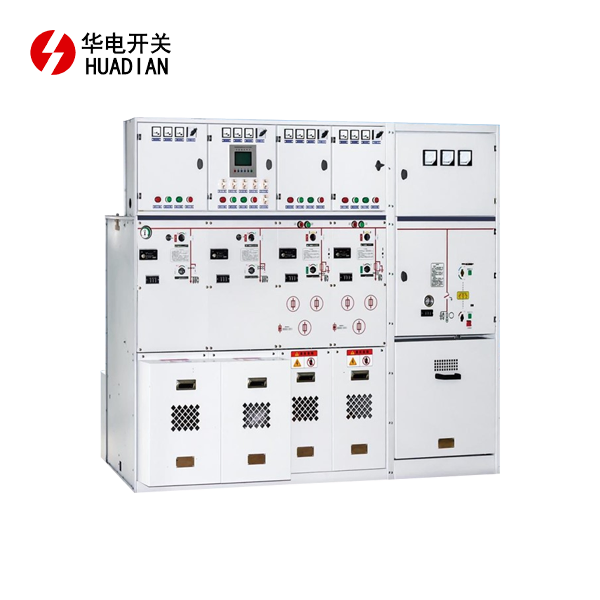
Overheating due to aging distribution cabinets is a serious safety hazard that requires immediate attention and handling. The following are common causes of this problem and corresponding solutions:
I. Main Causes Analysis
The aging and overheating of distribution cabinets are usually the result of a combination of factors, which can be mainly categorized as follows:
1. Component Aging and Deterioration
Circuit breaker/contactor/relay contact oxidation and erosion: After long-term use, the contact resistance increases, leading to increased heat generation when energized.
Loose or corroded terminals: Due to thermal expansion and contraction, vibration, or environmental corrosion, screws may loosen, resulting in poor contact, increased resistance, and abnormally high temperatures.
Busbar (copper busbar) insulation aging and peeling: Decreased insulation performance may cause creepage or short circuits, and dust easily adheres to exposed parts.
Bulging or failure of capacitors (such as reactive power compensation cabinets): This leads to increased system harmonics or abnormal compensation.
2. Load and Design Issues
Long-term overload operation: The actual current exceeds the rated capacity of the components or circuits inside the cabinet, which is the most direct cause of overheating.
Improper design selection or unreasonable layout: Insufficient initial design capacity, or overly dense component arrangement within the cabinet, resulting in insufficient heat dissipation space.
Harmonic current: Nonlinear loads (such as frequency converters, UPS, rectifiers) generate harmonics, which increase the effective value of the line current and generate additional heat.
3. Connection Issues
Loose Connections: This is one of the most common and dangerous causes. Loose screw connections (such as switch input/output lines, busbar connections) will cause a sharp increase in contact resistance, creating localized hot spots.
Poor Cable Crimping: This is caused by insecure crimping during installation or improper wire gauge selection.
4. Environmental and Maintenance Issues
Poor Heat Dissipation: This is caused by excessively high ambient temperature; blocked cabinet ventilation holes; malfunctioning cooling fans or air conditioners; and poor cabinet sealing, allowing dust and lint to enter and accumulate on components, hindering heat dissipation.
Lack of Regular Maintenance: Failure to perform scheduled tightening, cleaning, and inspections allows small problems to escalate into major malfunctions.
II. Systematic Handling Steps and Methods
Handling Principle: Safety First, Prevention Foremost. It is recommended that this be handled by a professional electrician or certified electrical engineer, strictly adhering to safety procedures such as power outage, voltage testing, labeling, and locking.
Step 1: Emergency Handling and Safety Assessment
Immediately Enhance Monitoring: Use an infrared thermometer or thermal imager to measure the temperature of the cabinet, doors, and cable outlets, marking overheated areas (generally, a temperature difference > 20℃ indicates a serious anomaly).
Adjust Load: If possible, and ensuring safety, shift or reduce some of the load to decrease heat generation.
Enhance Temporary Ventilation: While ensuring safety, fans can be temporarily used to cool the cabinet, but this is only a stopgap measure.
Develop a Power Outage and Maintenance Plan: Based on the severity of the overheating, arrange a planned power outage and maintenance as soon as possible.
Step 2: Power Outage Inspection and Troubleshooting
Comprehensive Cleaning:After completely disconnecting the power, use a vacuum cleaner and dry compressed air to remove dust and debris from inside and outside the cabinet. Take care to avoid damaging components.
Tighten All Connections:This is the most critical step. Using a suitable torque wrench, tighten all busbar connection bolts, circuit breaker inlet and outlet terminals, cable joints, and other screws to the torque specified by the manufacturer. This is especially important for older cabinets.
Inspect and Replace Aging Components:
Inspect circuit breaker and contactor contacts for burn marks or oxidation. Replace severely damaged contacts.
Inspect busbar insulation for damage. Repair or add insulating sleeves.
Inspect cable insulation for aging and brittleness, and check for discoloration of cable lugs.
Replace all malfunctioning cooling fans.
Check Load and Harmonics:
Use a clamp meter to measure the actual current in each circuit to confirm overload.
If available, use a power quality analyzer to test harmonic content. If harmonics exceed the standard, it is necessary to consider installing active/passive filters.
Step 3: Modification and Optimization
Improve the Heat Dissipation System:
Clean or replace the exhaust fans on the top of the cabinet and the air intake filters at the bottom of the cabinet.
For cabinets with high heat generation, consider installing a forced ventilation system (such as an industrial air conditioner or heat exchanger), but pay attention to dust prevention.
Affix temperature measurement tags or install wireless temperature monitoring sensors at busbars and heavy-load connections to achieve real-time online monitoring.
Adjustment and Expansion:
If long-term overload is confirmed, an expansion application should be submitted, replacing switches, busbars, or even the entire distribution cabinet with larger capacity ones.
Optimize load distribution to avoid concentrating high-power loads on the same phase or circuit.
Improve the Environment:
Ensure good ventilation in the distribution room and keep the ambient temperature below 40℃.
Seal any leaks in cable trenches and other areas to prevent small animals from entering and dust from intruding.
Step 4: Establish a Preventive Maintenance System
Regular Inspection: Conduct infrared temperature measurements quarterly or semi-annually using a thermal imager, record the data, and perform trend analysis.
Regular Tightening: Develop a 1-3 year periodic tightening plan based on equipment characteristics and operating environment (especially for newly commissioned equipment, a complete tightening must be performed after one year of operation).
Regular Maintenance: Conduct a comprehensive power outage cleaning, inspection, and functional testing at least once a year.
Summary and Recommendations
The core issues of overheating and aging in distribution cabinets lie in "increased contact resistance" and "decreased heat dissipation capacity."
Immediate Action: First, perform infrared temperature measurement and tighten connection points. These two actions can resolve over 80% of overheating problems.
Fundamental Solution: A comprehensive assessment is needed, including load management, cooling system upgrades, and harmonic mitigation.
Long-Term Safety: Establish a preventative maintenance system involving regular temperature monitoring, regular tightening, and regular dust removal to eliminate potential problems at their earliest stages.
Serious Warning: If severe discoloration or deformation of the cabinet is observed, a burning smell is detected, or abnormal discharge sounds are heard, immediately activate the emergency plan, shut off the power, and contact professional repair personnel, as this could potentially cause a fire. Safety is always the top priority!
About Us
Every cabinet in Shaanxi Huadian Electric's high and low voltage switchgear undergoes rigorous design and precision manufacturing to ensure stable operation under extreme conditions. A team of senior engineers provides professional electrical design and system optimization to ensure the best possible solution. Equipped with advanced microprocessor-based protection devices, enabling remote monitoring and intelligent diagnostics, it forms the cornerstone of the main power distribution system's safety. For more information, please contact us:pannie@hdswitchgear.com.
YOU MAY LIKE